Diving Briefing and FAQs
On holiday in Egypt, offers to go on a diving excursion on a boat are very tempting. And often fear of the unknown does not allow us to decide on this adventure. We tried to provide answers to the most common questions from our clients in this article, and we have compiled a pre-dive briefing sheet for you. Let's start with the briefing.
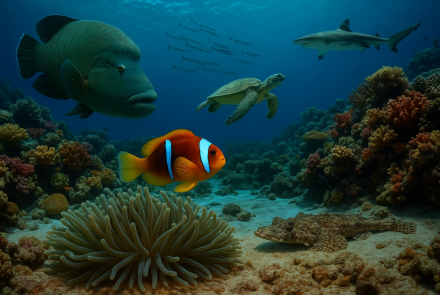
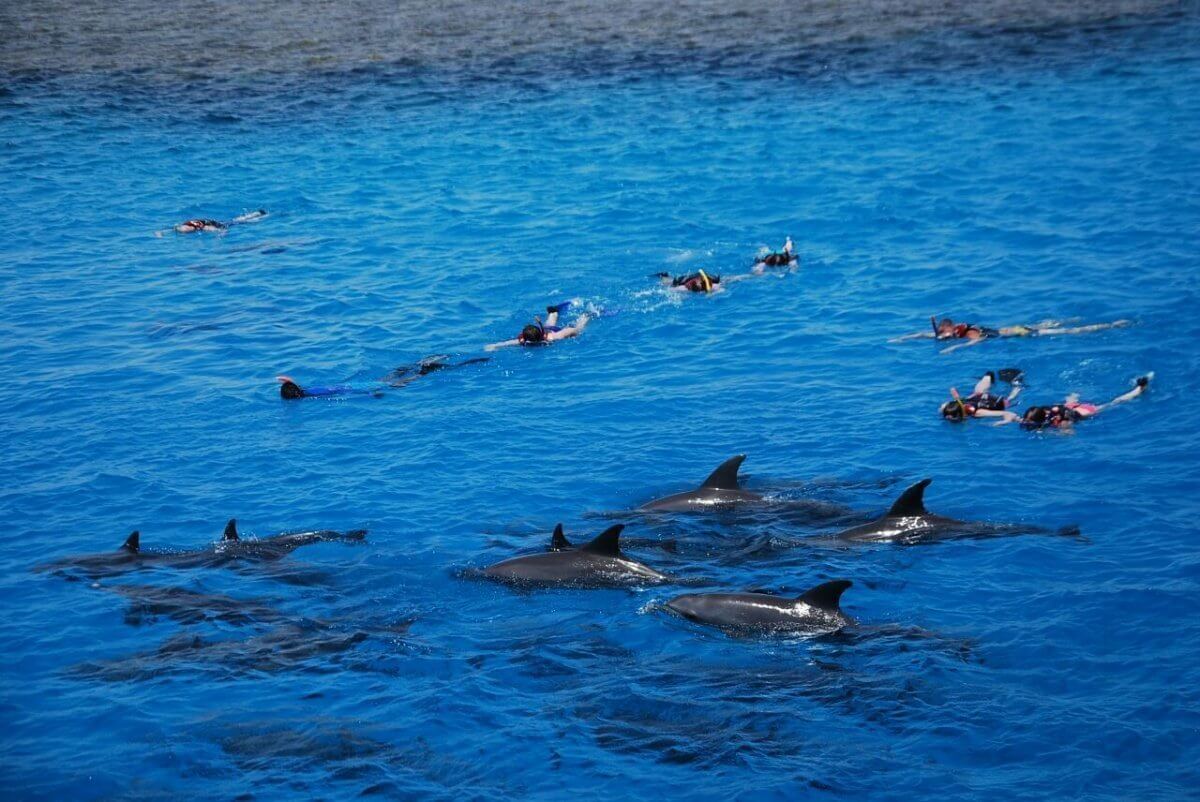
A scuba diving trip in Hurghada is one of the most exciting and unforgettable experiences you can have in Egypt. Even if you’ve already seen the Red Sea while snorkeling, the underwater world looks completely different once you dive deeper: crystal-clear water, vibrant coral reefs, colorful fish, and the feeling of stepping into another world.
But together with excitement, many beginners naturally worry:
“What if I get scared? What if I do something wrong?”
This is absolutely normal. Fear of the unknown is the most common feeling before the first dive. That’s why we created a clear, simple, step-by-step diving briefing for beginners in Hurghada — so you can relax, feel safe, and enjoy the experience.
In this guide, you will learn:
- what your very first dive with an instructor looks like;
- how to breathe underwater and what sensations beginners usually experience;
- how to use your mask, regulator and BCD correctly;
- how to equalize pressure safely;
- the basic underwater hand signals;
- how to respond to the most common underwater situations.
This is a useful checklist before your first dive. It helps reduce stress, build confidence, and enjoy diving in Hurghada — even if you’ve never tried it before.
Ready to discover the Red Sea from a new perspective? Let’s begin with the most important part — the safety briefing and essential rules for first-time divers.
Mask
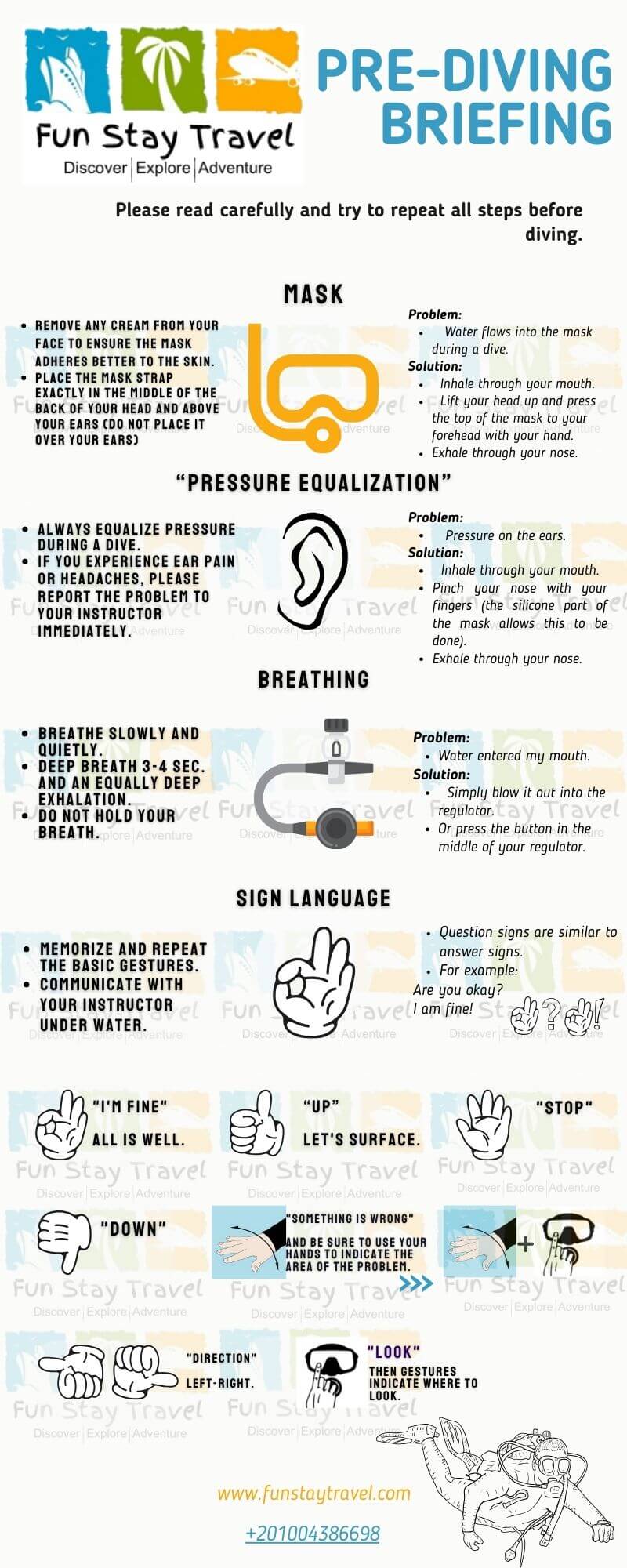
Every diving briefing starts with the mask. Correct positioning ensures comfort and safety underwater.
- Remove any face cream — the mask seals better on clean skin.
- Place the mask on your face and inhale lightly through your nose to create a vacuum.
- Position the strap in the middle of the back of your head and above your ears.
- Breathe only through your mouth once the mask is on — this prevents fogging.
Common issue:
- Water leaking into the mask.
How to fix it:
- Take a breath through your mouth.
- Lift your chin slightly and press the top of the mask against your forehead.
- Exhale through your nose — the water will escape from the bottom.
Practice this simple movement on the boat — it becomes natural very quickly.
Equalizing Pressure
As you descend, equalizing pressure in your ears is essential to avoid discomfort.
Common issue:
- Pressure or discomfort in the ears.
How to fix it:
- Breathe in through your mouth.
- Pinch your nose through the mask.
- Gently exhale into your nose until the pressure equalizes.
If discomfort continues, signal your instructor immediately. They will pause the descent or change depth.
Breathing Underwater
Underwater, you breathe only through your mouth using the regulator. It feels unusual at first, but becomes easy if you stay calm.
- Breathe slowly and steadily.
- Take a 3–4 second inhale and the same slow exhale.
- Never hold your breath — rule #1 of diving safety.
Common issue:
- A small amount of water enters your mouth.
How to fix it:
- Exhale forcefully into the regulator — it will clear automatically.
- Or press the purge button in the center of the regulator.
Underwater Hand Signals
Underwater communication is done through simple hand signals. Below are the most important ones every beginner should know: “OK”, “question”, “up”, “down”, “stop”, “look”, “something is wrong”.
Knowing them makes your dive smoother and safer.
Main Signals:
“I’m OK” / “Are you OK?”
Thumb and index finger form a circle; other fingers remain straight.
Directions
A fist with the thumb pointing right, left, up, or down.
Stop
Hand up, palm facing forward.
Look
Point to your eyes, then to the object.
Something is wrong
Hand flat, palm down, moving side to side. Then point to the exact area where the issue is.
Don’t hesitate to communicate — your instructor is always close and ready to help.
Now let’s move to the quick answers to the most common diving questions.
Simply choose a question from the list below.
No need. There is a program called introduction diving. You will have the opportunity to scuba dive with an instructor who will be in full control of the dive. All you need to do is listen to the instructions and learn some gestures and actions that you can easily perform underwater.
From the age of 10, children can dive and even undergo training and receive their first Open Water Junior certificate. If your child wants to try diving, give him the opportunity to try it.
In general, you do not need to have super strength or any special skills to dive with an instructor in the diving program for beginners “Intro diving”. You just need to breathe calmly through your mouth and not use your nose when breathing.
Yes, a great option to see the underwater world, even if you don’t know how to swim at all. Since diving and ascent are carried out using a buoyancy compensator vest. Learn more about diving equipment and its purposes. An experienced instructor will take care of your safety during the dive.
Medical contraindications for diving are mainly serious respiratory diseases (asthma, etc.), heart disease, recent surgeries, pregnancy, ear problems, various otitis media, eardrum damage, infectious diseases, eye diseases, tumors, intracranial diseases, problems with the musculoskeletal system, as well as any mental illness.
If you are in any doubt, consult your healthcare provider before booking an excursion.
Beginners on a standard excursion usually go down to 5-6 meters, sometimes 8. This is the optimal depth, where the brightest colorful fish, a variety of coral reefs of bizarre shapes and comfortable pressure (the pressure on the ears at such a depth is usually compared to what we feel during takeoff and landing of an aircraft).
Some diving programs and courses involve diving to depths of more than 10 meters, for example Discover Scuba Diving. This is a specially designed program, or one might say an introductory mini-course, which allows a beginner to understand whether he or she needs to go further to study and obtain a certificate.
Ready to Try Scuba Diving in Hurghada?
If you have reached this point, it means you are already thinking about discovering the Red Sea underwater. We will make your first diving experience safe, comfortable and unforgettable. A professional instructor stays with you from the very first briefing on the boat to the final ascent.
- Personal instructor for every beginner
- Two introductory dives during the day
- Full set of professional diving equipment included
- Lunch and drinks on board included
- Hotel transfer included
- Comfortable boat with shaded areas and relaxation zones
Want to check availability or ask a quick question? Our English-speaking consultant replies on WhatsApp within minutes.
Contact Us on WhatsAppIn conclusion, we would like to note that Fun Stay Travel works only with professional certified diving centers. That's why many come back to us again and recommend us.
Check out the full list of diving programs we offer for both beginners and professional divers.
Book now your unforgettable scuba diving experience in the Red Sea, and we will take care of the organization to a high standard.